
The 6-week course
Six weeks of small, practical changes, built on CBT-I techniques and shaped around your own nights. Each week a short video guides you through, and your own Sleep Buddy assistant is included for any questions.
What the course covers
Your sleep window
A set time for bed and a fixed time to get up, close to the sleep you’re actually getting. Less time lying awake makes sleep deeper and more settled, and the window grows as it does. Known in CBT-I as sleep restriction.
Bed is for sleep
If you’re awake for about 20 minutes, get up and do something calm until you feel sleepy. Over time your body links bed with sleep again, not with lying awake. Known as stimulus control.
Quietening the mind
Simple ways to ease the worry and busy thinking that keep you awake: worry time earlier in the evening, the mental walk, and a kinder way of thinking about a bad night.
Relaxing into sleep
A wind-down routine and simple ways to let the day go, so you arrive at bed ready to sleep.
Your body clock
A steady wake time, morning light and well-timed caffeine help your body know when it’s time to be awake and when it’s time to sleep.
Keeping it going
What to do when a bad night or a stressful week comes along, so a slip doesn’t turn into a pattern.
An outline of the six weeks
A new week opens about a week after you watch the one before, so you can go at your own pace.
A video to guide you each week
Each week opens with a short video that guides you through that week’s steps, explains why they work and reassures you about what to expect, especially in the harder early weeks. A written summary sits underneath so you can check back any time.
Sleep Buddy, included
Your own dedicated sleep assistant, there for any questions, day or night, as part of the course. Ask about anything that comes up. Under each video, a question is ready to start the conversation.
- Introduction
How the programme works
What the six weeks involve, why they work, and what to expect. After your free week, a short safety check, five questions and your sleep profile set the course up around your nights.
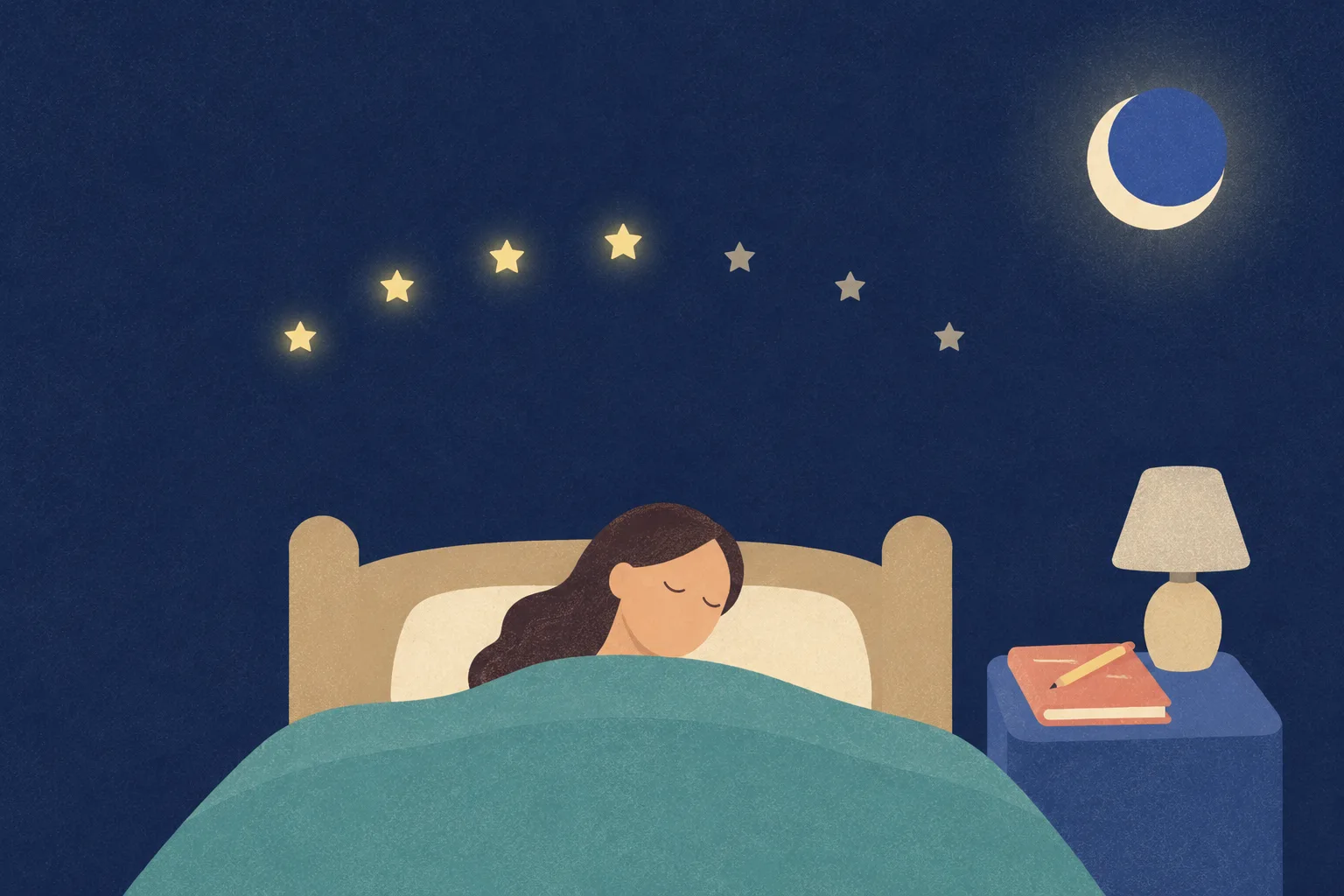
- Week 1
Your sleep window
And what to do when you’re awake in the night
You choose a fixed wake time and start your sleep window. You’ll learn what to do when you’re awake for a while: get up, keep things calm and dim, and go back to bed when you feel sleepy.
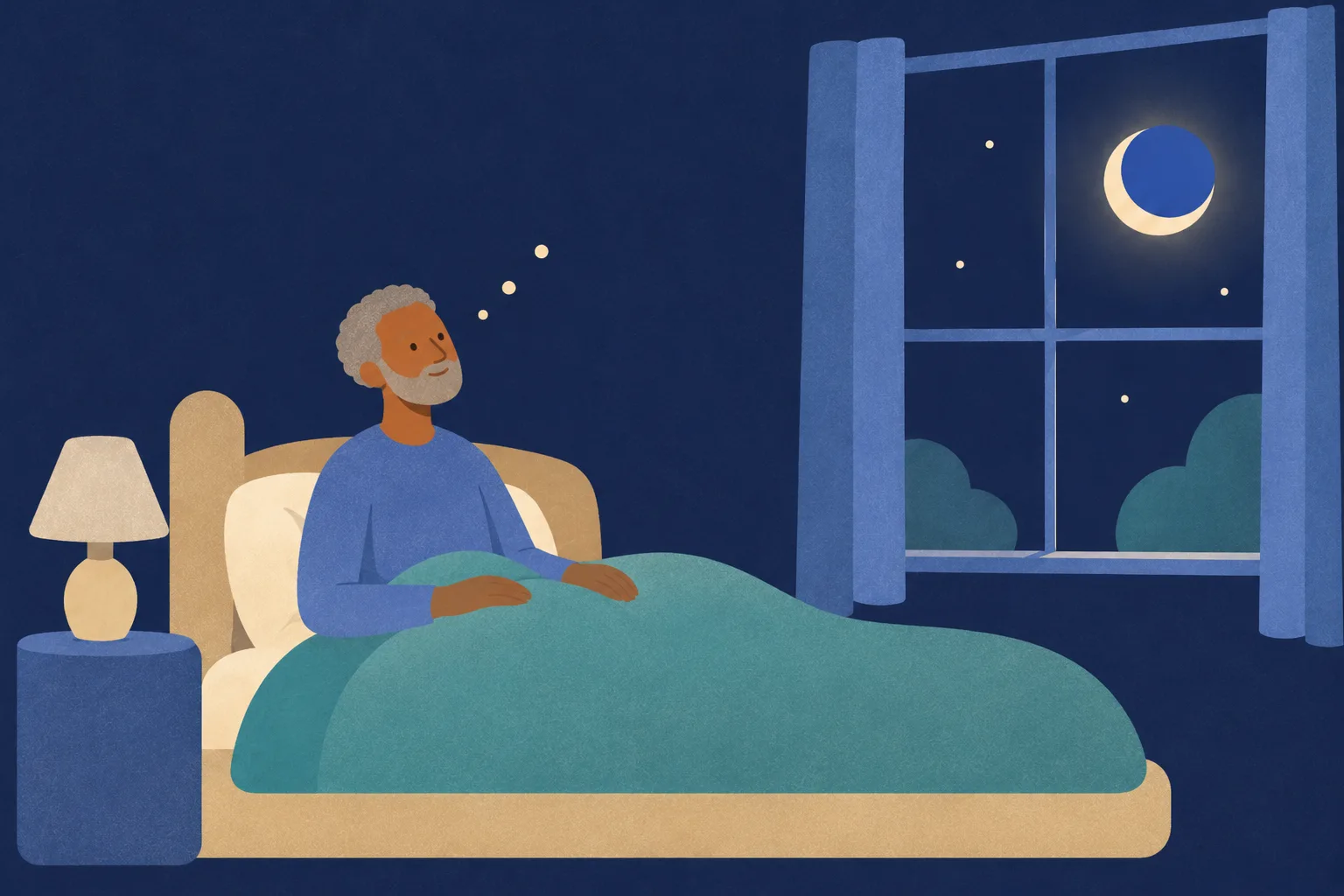
- Week 2
Getting through the sleepy weeks
Handling daytime tiredness, and staying safe if you drive
The early weeks can leave you sleepier in the day. This week is about getting through it: morning light, staying active, and taking care with driving and machinery.

- Week 3
Quietening the mind
Worry time, the mental walk and easing a busy mind
Practical ways to stop worries waiting for bedtime, and to give a busy mind somewhere gentle to go when you lie down.
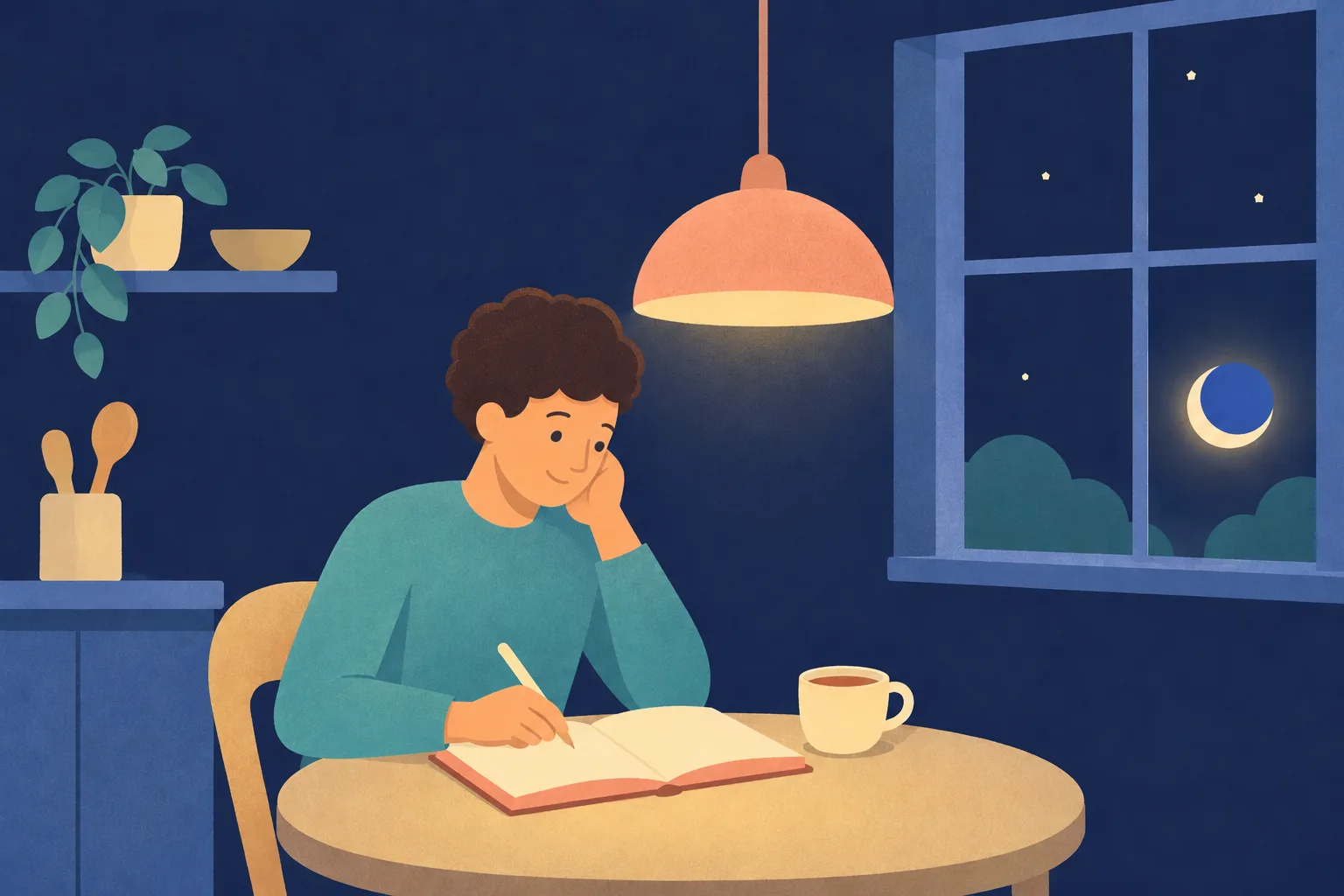
- Week 4
Relaxing into sleep
A wind-down routine and simple ways to let go
Build a wind-down routine that suits you, and try simple relaxation you can use in the evening or in the night.
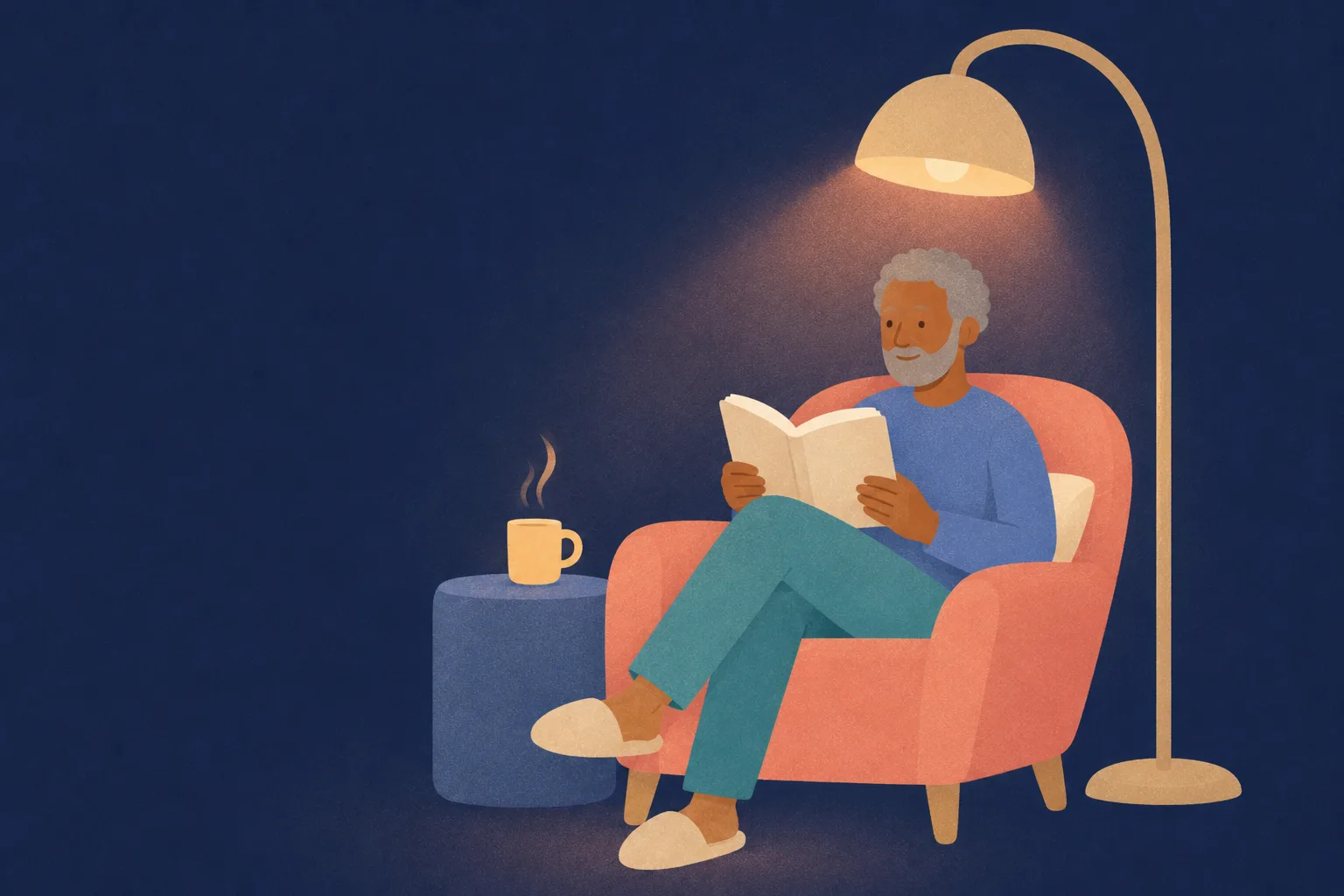
- Week 5
Growing your window
Adding time back as your sleep settles
As your sleep becomes more settled, your window keeps growing towards the amount of sleep that suits you.

- Week 6
Keeping it going
Spotting early slips and getting back on track
How to keep what you’ve built, spot the early signs of a slip, and get back on track quickly. AndSo keeps tracking your nights after the course.
What is CBT-I?
CBT-I stands for cognitive behavioural therapy for insomnia. It’s a structured set of techniques that change the habits and patterns of thinking that keep poor sleep going, rather than sedating you.
It’s the approach that UK (NICE) and European sleep guidelines recommend first for long-running sleep problems, ahead of sleeping tablets. It can be delivered in person or digitally.
AndSo is a self-guided course built on these techniques, current UK and European guidance and current sleep science. It offers general sleep guidance, not medical treatment.
Three things that shape your sleep
Your sleep drive
The longer you’re awake, the stronger your need for sleep. Spending less time in bed builds that drive, so sleep comes more easily and runs deeper.
Your body clock
Your body runs on a daily rhythm. A fixed wake time and morning light keep it steady, so you feel sleepy at the right time.
The link between bed and sleep
After many nights lying awake, bed can start to feel like a place for worrying, not sleeping. The course rebuilds the link, so bed means sleep again.
Your free week comes first
For the first week you sleep as you normally would and record seven nights. Nothing changes yet. Then, before the course begins:
- A quick safety check to make sure the course is right for you now.
- Five questions about your days, your mind at night, your habits and your bedroom.
- Your sleep profile, setting what you told us beside your recorded week.
- A fixed wake time that you keep every day, weekends included.
- Your starting sleep window, built from your recorded nights.
Honest about the effort
The first two weeks are the hardest. Your time in bed is shorter at first and you may feel sleepier in the day. It gets easier from there, as your window grows.
A short video each week
About 5 to 10 minutes, with a written summary of the week’s steps.
Two minutes each morning
Your nights record themselves from your tracker, or you log them in the sleep journal. Then tap how rested you feel.
A weekly review
AndSo looks at your week and adjusts your window: 15 minutes more when you’ve been asleep for most of your time in bed.
Help when you need it
Sleep Buddy is there to talk things through, with a question ready under each week’s video.
Your window never goes below 5 hours 30 minutes.
Check with your GP first if…
- you’re pregnant
- you have bipolar disorder, schizophrenia or another condition involving psychosis
- you have epilepsy or have had seizures
- you have, or may have, sleep apnoea (loud snoring with pauses or gasping)
- you’re at high risk of falls
- you’re coming off alcohol or drugs
If you drive for a living or do other safety-critical work, the course is still for you, with extra care: never drive when drowsy, and talk to your GP or occupational health if you’re unsure.
If sleep problems have lasted three months or more, or you’re worried about your health, talk to your GP. If you’re struggling and need to talk, Samaritans are free on 116 123, any time. NHS 111 (option 2) offers mental health support, and in an emergency call 999.
AndSo provides general sleep guidance. It is not medical advice.
Ready when you are
Start with a free week to see your sleep. See how the whole app works.